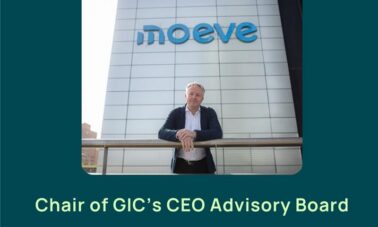
GIC CEO Charlie Tan sets out the real barriers to scaling circular hydrocarbons in a new article published in Chemical Engineering.
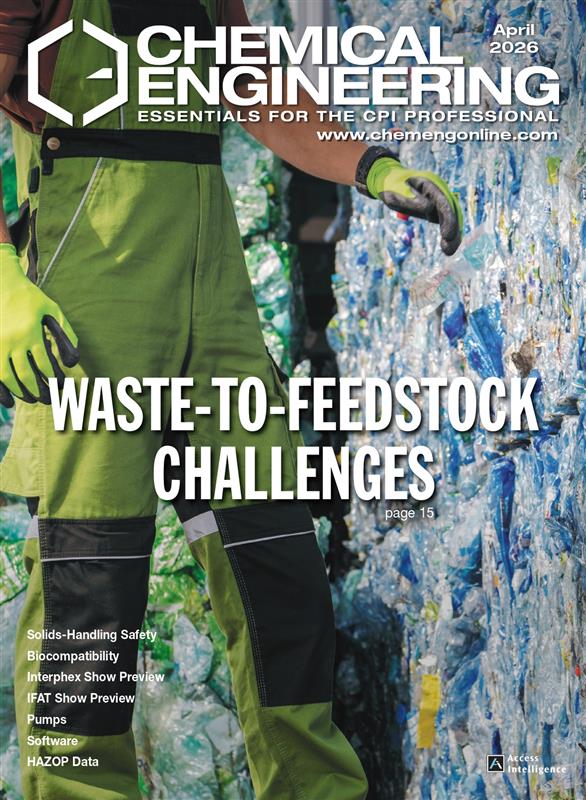
The chemical industry has been piloting waste-to-feedstock pathways for more than a decade. Yet very few have achieved repeatable, commercial-scale deployment. The reason, Charlie Tan argues, is not technical – circular hydrocarbons fail not because the chemistry is broken, but because the system around them is incomplete.
Drawing on GIC’s real-world project experience from Waste-to-Pyrolysis Oil to Automotive Plastics Circularity and Direct Conversion, he identifies three principles that determine whether these pathways succeed or stall:
Integration beats invention. Pathways that leverage existing assets are far more likely to scale than those requiring greenfield infrastructure. Integration feasibility should be a gating criterion from day one.
Bankability is an alignment problem. Investors don’t lack patience – they lack alignment. Coalition-based projects distribute risk across the value chain, placing accountability where it belongs and making investment decisions rational rather than heroic.
The window is narrower than it looks. Regulatory frameworks are crystallising, end-use markets are formalising procurement requirements, and competition for circular molecules is intensifying. Those who treat waste-to-feedstock as a side project may pilot indefinitely. Those who treat it as core industrial infrastructure will define the next era of chemical value creation.
Read the full article in Chemical Engineering: Waste-to-Feedstock Scaling and Integration Challenges – Chemical Engineering | Page 1