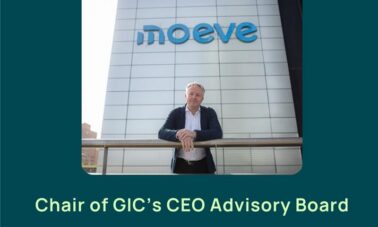
Post the Economist Impact Sustainability Week conference this week, Charlie Tan, GIC CEO, notes of a clear shift in tone across the industry, finance and policy.
 He saw less discussion about announcing new targets and more focus on how to actually execute industrial transition in a more fragmented and uncertain world.
Several themes stood out that are particularly relevant for the chemicals and materials sector:
Geopolitics is reshaping decarbonisation pathways. Recent supply chain disruptions reinforced how exposed energy and feedstock systems remain, pushing companies to rethink regional supply security alongside climate goals.
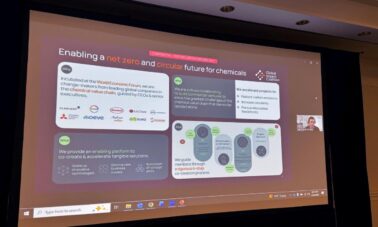
Industrial ecosystems are replacing isolated projects. Hydrogen, circular plastics and low-carbon fuels only scale when offtake, infrastructure and financing move together, which is something we see directly across the work of the Global Impact Coalition.
Circular materials are moving from concept to deployment. The challenge is no longer the technology but aligning value chains so projects can move to investable scale.
Capital is waiting for structure. Investors repeatedly highlighted the need for clearer demand signals and stronger project frameworks.
The overall message from London was clear: industrial collaboration is becoming a competitive advantage.
Turning ambition into execution will depend on how effectively industries, value chains and financial actors work together.