The role of advanced recycling in driving a circular economy
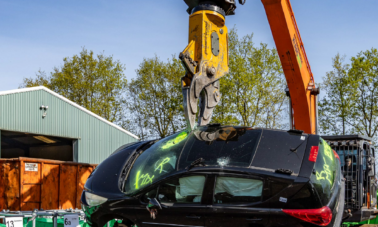
A large share of everyday waste — from households, businesses, agriculture, and industry — still ends up in landfills or is incinerated for energy recovery. These methods have drawbacks that, if not properly managed, can harm the environment.
Today, however, a shift in perspective is underway. Post-use waste is increasingly seen as a carbon-rich feedstock that can be transformed into valuable products through innovative technologies. These technologies help reduce CO₂ emissions associated with incineration and prevent the soil and water pollution linked to landfilling.
While biological methods like anaerobic digestion have long been used to convert organic materials into biogas, new physical and chemical processes — including pyrolysis, gasification and hydrothermal treatments — are expanding the possibilities. Waste typically contains a mix of materials, including plastics, organic matter, paper, metals, and textiles. Different technologies are needed to handle each type of waste material, with many of the new chemical processes designed to improve recycling efficiency for specific fractions — particularly plastics.
To read the full article: The role of advanced recycling in driving a circular economy – Chemical Engineering